Your Questions Answered: Resumes, Networking, and LinkedIn for Industry Careers
October 15, 2026In this blog, speakers on a recent PhRMA Foundation webinar answer questions about resumes, networking, LinkedIn, and more to help researchers confidently pursue careers in industry.
In today’s highly competitive pharmaceutical industry job market, early-career researchers need to know how to promote themselves through their application materials as well as their online presence.
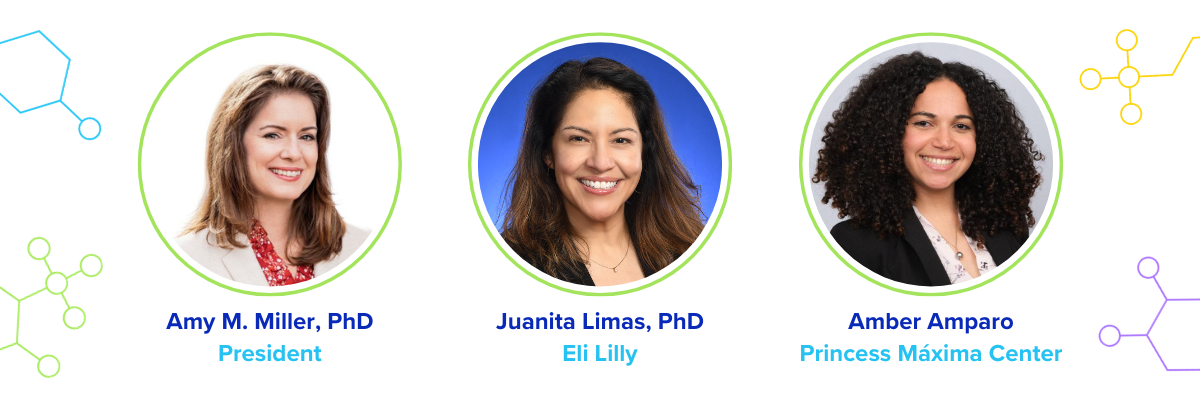
In a recent webinar, PhRMA Foundation President Amy M. Miller, PhD, discussed how to build a results-driven resume tailored for industry with Juanita Limas, PhD, in vitro cell pharmacologist at Eli Lilly, and Amber Amparo, a PhD candidate at the Princess Máxima Center for Pediatric Oncology. They also shared advice on using your resume to build your LinkedIn profile.
Attendees submitted questions that the speakers didn’t have time to answer live about tailoring cover letters and resumes, building industry networks, and using LinkedIn effectively. Below is a compilation of these questions and responses from Miller, Limas, and Amparo to help early-career researchers confidently pursue careers beyond academia.
How technical vs. lay friendly should your application materials be?
Your resume is designed to spark enough interest that the reader wants to learn more or meet with you. Write for two readers at once: a sophisticated non-specialist who should grasp your impact without having your background and a fellow expert who needs real technical specificity to trust it. Don’t oversimplify your science, translate it. A hiring manager may look at your resume for as little as 7 seconds. Vague accomplishments read as inflated ones. Every line must make a non-expert lean in or an expert nod; if it does neither, cut it.
While a resume is usually tailored to a specific job, how would you approach creating a resume that needs to be relevant for multiple companies or positions, such as if you are attending a job fair or conference?
Highlight experiences and accomplishments that demonstrate the breadth of your skills. In this way, you are keeping it holistic while still being selective. Include links to your full publication record and LinkedIn profile so interested employers can learn more. Once you make a connection or identify a specific opportunity, you can follow up with a resume tailored more closely to that position.
How should PhD candidates describe their graduate research experience on a resume — especially if their official title doesn’t reflect the level of responsibility they actually held?
Seldom do official job titles exactly map to what we do. This is why your descriptive bullets under each role are so critical. Use them to clearly demonstrate the scope of your responsibilities and the deliverables that you owned.
Should applicants provide a cover letter, even if one isn’t required?
For each job, ask yourself whether a cover letter would be strategic. For example, is there a skill you appear to be missing but are actively developing, or is there something valuable about your experience that may not be obvious from your resume? In those cases, a cover letter can help fill in the gaps and tell a more complete story.
But an optional cover letter can also be a risk if it isn’t well written or tailored to the position. In the webinar, we outlined several steps for reviewing your resume; if you choose to include a cover letter, give it the same careful review.
Do you have any advice for making it through the application screening process and what have you learned from not making it through?
Do not get discouraged if you get rejections. It’s a tough job market and highly competitive. Tailor your resume to every job and take the time to do so. It is evident to hiring managers when you do not. Continue to network and make a goal to reach out to at least one to three people each week if you’re serious. Solicit feedback on your resume from industry folks.
How important is networking for securing an industry position?
Networking is a critical piece of the job search. Opportunities often arise through meaningful connections with folks in industry. It is important to build networking in as a part of your professional development from day one of graduate school. Meaningful relationships take time to build and do not come through a 30-minute conversation three months before your dissertation defense.
Are there any tips for sending cold emails or LinkedIn connection requests to people I have not met?
When reaching out, personalize your message, explain briefly why you’re contacting that person, and ask for advice or a short conversation, not a job. For example, if you see someone speak at a meeting, reflect on that and ask for a connection. Build genuine professional relationships by engaging thoughtfully with others’ work, following up when someone helps you. Networking works best when it feels like a professional interaction rather than a transaction. More importantly, don’t send one message and never follow up. Be intentional and maintain that connection. If necessary, create a calendar reminder for yourself to follow up with them in three or four months. Build that relationship early.
As a student, how can you use LinkedIn to build your professional presence without feeling like you need to be a seasoned expert? What value does consistent posting provide?
You don’t need to present yourself as an expert to contribute on LinkedIn. Sharing research that interests you and highlighting your own academic milestones are meaningful ways to participate in professional conversations. If you read a paper by someone you admire in your field, post it with a few sentences saying why you think it’s worth a read. If you publish your own paper, use the same idea. If you are going to a conference, post about that so you can start networking before even getting on the airplane. Then, during or after the conference, post photos of yourself at the event with appropriate tags. By consistently posting on LinkedIn, you increase your likelihood of being discovered by potential recruiters. You also build a history so that when someone comes to your page to find out more about you, there’s relevant substance there.
How can I overcome the feeling that I’m bragging by putting all this stuff about myself online?
Just do it. We give you permission. It is not bragging. You are outlining the tools you possess that an employer can benefit from. If you don’t showcase yourself, someone else will step into your spot and do it for themselves.
Career Resources

Webinar: Turning Your CV Into an Industry-Ready Resume
Watch this PhRMA Foundation webinar for a one-hour crash course on transforming your academic curriculum vitae (CV) into a polished resume to catch the eye of industry hiring managers.
Watch Now
Webinar: Transitioning From Academia to Industry
Are you an academic researcher considering a career in the biopharmaceutical industry? Then this webinar is for you. Hear from researchers who have made the move to industry.
Watch Now
Making the Most of a Pharmaceutical Company Internship
Internships at pharma companies provide hands-on experience in industry, while allowing for unmatched networking opportunities. In this blog, two of our awardees share about their summer internship experiences.
Read More