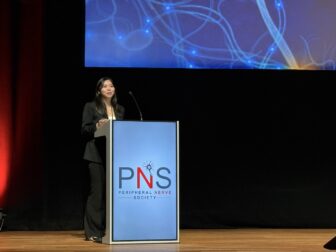
Thu Pham

Gene Regulation Underlying Chemotherapy-Induced Peripheral Neuropathy
Abstract
Despite recent advances in targeted cancer therapies, cytotoxic chemotherapy remains key in various cancer treatments. Cytotoxic therapy, particularly with microtubule-targeting agents (MTAs), is often dose-limited by the development of peripheral sensory neurotoxicity. This chemotherapy-induced peripheral neuropathy (CIPN) can persist after dose reductions and discontinuation of therapy. CIPN’s molecular mechanisms is essential to develop effective therapies. Traditional rodent models have failed to translate clinically, highlighting the need for human-relevant systems. Additionally, CIPN risk is largely attributed to non-coding genetic variants, which remain understudied. To address these knowledge gaps, my project uses multi-omics and CRISPR-based methods in human iPSC-derived sensory neurons to investigate transcriptional and epigenetic changes following MTA exposure. My work aims to uncover key genes, pathways, and the functional impact of non-coding risk variants in CIPN.
Learn more about Thu and her research in this blog.
This PhRMA Foundation award supports my PhD work to study how gene regulation drives chemotherapy-induced peripheral neuropathy, using CRISPR and multi-omics in human sensory neurons to inform safer, more effective cancer treatments for patients everywhere.