Researcher Stories
Get to know the PhRMA Foundation’s award recipients.
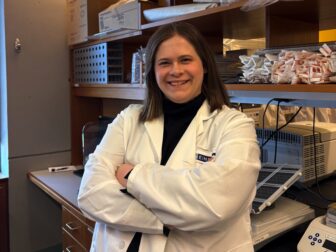
Designing a ‘Superhero Bacteria’ to Relieve Gut Stress
Gracelyn Richmond, a fifth-year PhD candidate at the Albert Einstein College of Medicine, aims to create therapeutic products that could improve gastrointestinal symptoms by leveraging bacterial interactions in the gut microbiome.
Watch Now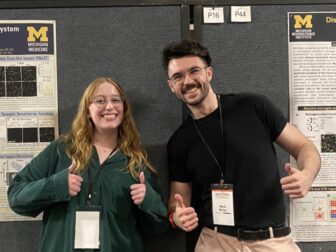
A Philosophy of ‘Good People, Good Science’
Mark Milner, a postdoctoral fellow at the University of Michigan, is researching a potential novel therapeutic target for multiple sclerosis to protect against progressive neurodegeneration and dysfunction.
Read More
Using Digital Health Tools and AI to Improve Outcomes for Patients with Irregular Heartbeat
Dr. Nino Isakadze is conducting a clinical trial examining whether using digital health tools can help patients make lifestyle modifications to improve outcomes for atrial fibrillation (Afib), an irregular heartbeat.
Read MoreDeveloping a Platform for Personalized Cancer Vaccines
Xinyi Tu, a PhD student at Arizona State University, is developing a cancer vaccine platform that uses nanoparticles to deliver vaccine ingredients to the immune system.
Awardee Spotlight
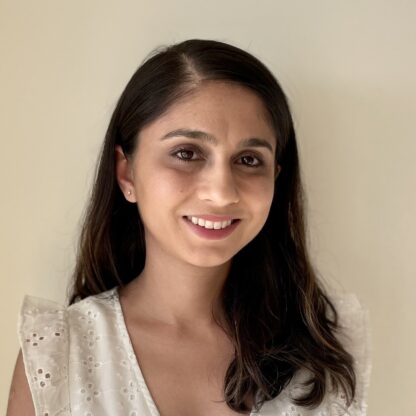
Samagya Banskota, PhD
- Boston University
“I am thrilled to receive the PhRMA Foundation Faculty Starter Grant in Translational Medicine. This award will provide invaluable support for our young lab in its early days. The funding will support our work on advancing genome editing therapies.”
Investigating the Role of a Common Human Virus in Brain Tumors
Brown University PhD student Noe Mercado is studying the role of human cytomegalovirus in glioblastoma, fast-growing, aggressive brain tumors.